Introduction
Running out of food is scary, and it happens more often than most people realize. According to USDA data, about 13.5% of U.S. households experienced food insecurity in 2023.
Emergency food assistance isn't one program. It's a patchwork of support that includes:
- Same-day help from food banks and pantries
- Government nutrition benefits like SNAP and WIC
- Disaster-specific aid
- Local vouchers
Which option fits depends on where you live, your household, and what's causing the shortage.
If you need food today, start local: call 211 or a nearby pantry before anything else. Then apply for longer-term benefits, and ask every provider about transportation, language, or accessibility support.
Eligibility rules, application steps, and benefit amounts vary by state, county, and program. This guide explains how the pieces fit together, but always confirm current requirements with your state's official benefits agency or local provider.
Key Takeaways
- Food banks, pantries, community kitchens, and 211 can provide same-day help while benefits are pending.
- SNAP, expedited SNAP, WIC, TEFAP, and school meals each cover different household types and needs.
- Emergency food vouchers come from local nonprofits and agencies, not one national program.
- Phone, in-person, interpreter, and disability-accessible options help people who can't apply online.
What Emergency Food Assistance Means and How It Works
Emergency food assistance covers short-term help for an immediate food shortage. That's different from recurring nutrition benefits, like SNAP, which support household food access over months or years.
The typical path looks like this:
- Contact a local provider or benefits office and explain the situation.
- Answer basic questions about household size, needs, and eligibility.
- Receive food, a voucher, or a referral to another program.
- Connect with longer-term support if ongoing help is needed.

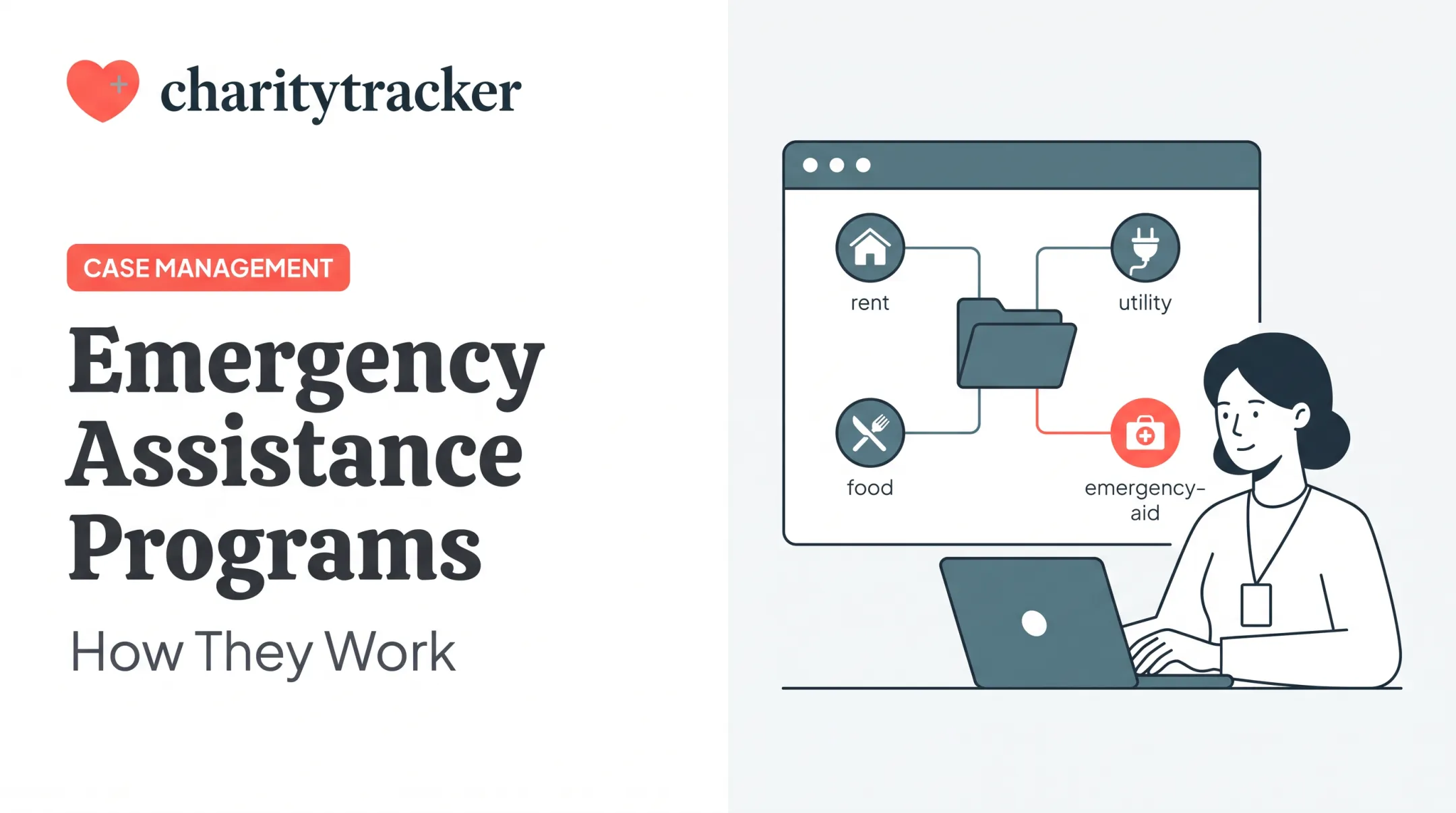
It's common to be routed to more than one program at once. A single mother with two kids might pick up a grocery box from a pantry today while her caseworker helps her apply for SNAP and WIC for the months ahead. Neither replaces the other; they solve different timing problems.
Providers may ask for household size, income, address, dietary needs, and identification when available. But requirements differ widely between a small church pantry and a state benefits office. Missing one document shouldn't stop you from asking what alternatives exist. Most local providers have workarounds for people without full paperwork.
Types of Emergency Food Assistance Programs
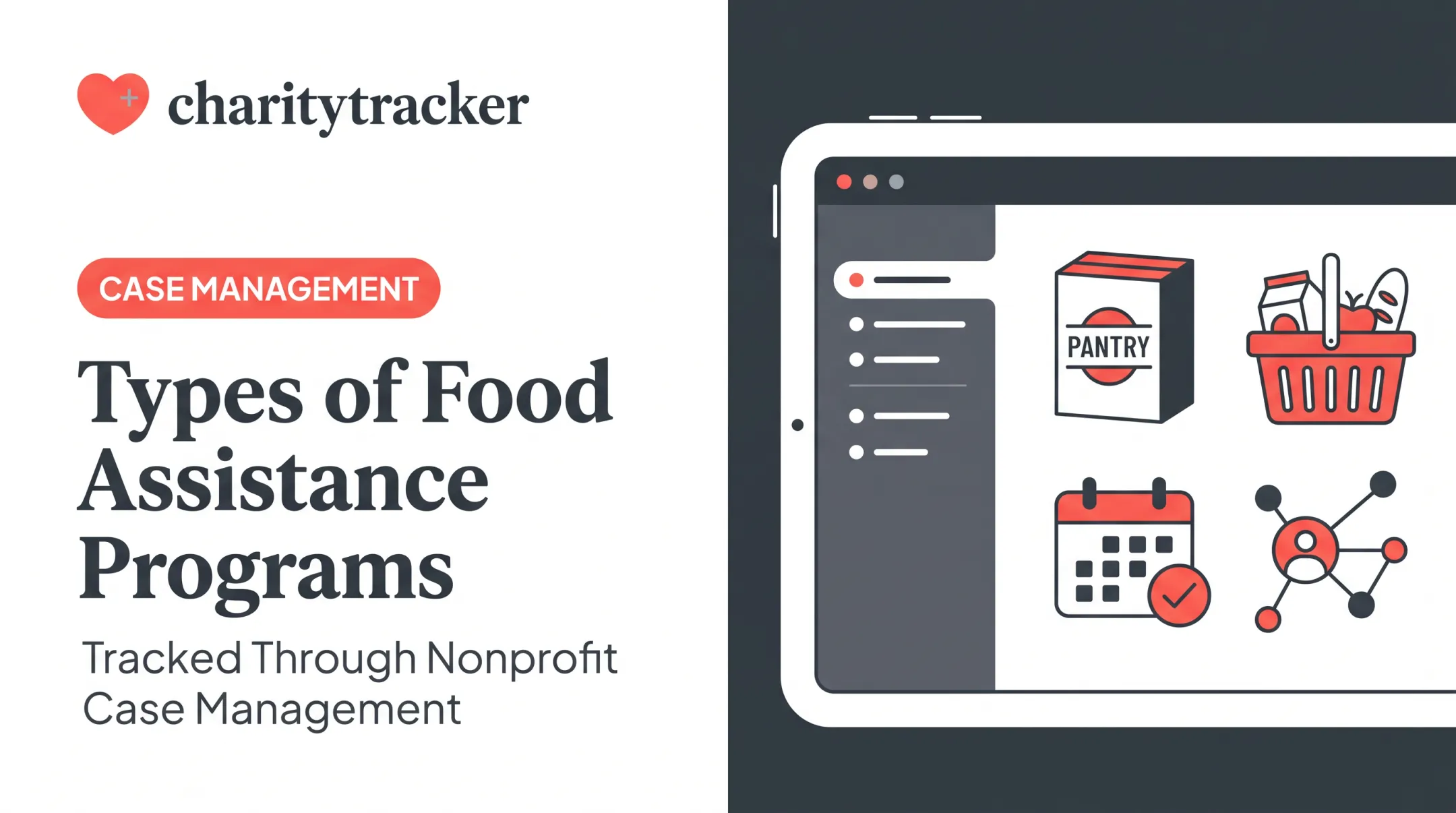
Several distinct programs fall under the "emergency food assistance" umbrella. Here's how they differ.
SNAP and Expedited SNAP
SNAP is a longer-term grocery benefit administered by state agencies, not a one-time emergency payment. Applicants with almost no income or resources may qualify for expedited SNAP, which USDA says can deliver benefits within 7 days of application — faster than the standard 30-day review process.

One example USDA cites for expedited eligibility: households with less than $100 in liquid resources and under $150 in monthly gross income. That's an example, not a complete checklist, so check your state's SNAP eligibility rules directly.
SNAP benefits cover most household foods, including:
- Fruits, vegetables, meat, and dairy
- Bread and cereals
- Seeds and plants that produce food
They don't cover alcohol, tobacco, vitamins, hot prepared food at the point of sale, or nonfood items. Some states offer a Restaurant Meals Program, but it's optional and limited to groups like older adults or people with disabilities. It is not a general rule for using SNAP at restaurants.
Food Banks, Food Pantries, Community Kitchens, and Meal Programs
These are usually the fastest source of food when you have nothing. Food banks stock and distribute food to smaller pantries; pantries hand food directly to individuals and families. Community kitchens and soup kitchens serve prepared meals, often in a group setting.
You can find these providers through:
- 211 (call, text, or search online)
- Feeding America's food bank locator
- Local government resource directories
- Schools, libraries, and faith communities
- Community action agencies
Hours, service areas, and quantities vary by location, so call ahead before traveling. A pantry that's open Tuesday mornings in one county may run on a completely different schedule two towns over.
WIC and Programs for Children, Older Adults, or Households with Specific Needs
WIC serves eligible pregnant or postpartum people, infants, and children up to age five, providing approved foods plus nutrition counseling. Enrollment includes a brief health check, and income guidelines are published annually.
Other household-specific programs include:
- School meals: free or reduced-price lunches for enrolled students
- Summer meal programs (SUN Meals): free food for kids 18 and under during school breaks, often with no application
- Senior food programs: offerings and eligibility vary by locality
TEFAP (The Emergency Food Assistance Program) supplies USDA food to states, which distribute it through local pantries and kitchens. Income standards for take-home food differ by state, so ask your local agency what applies.
Emergency Food Vouchers and Community-Specific Assistance
Vouchers or grocery cards typically come from local nonprofits, churches, municipal programs, shelters, or domestic-violence agencies — not a single federal system. Funding is often limited and runs out.
When someone offers you assistance, ask directly:
- Is this a voucher, direct food, a store card, or a referral?
- What stores or items does it cover?
- Does it expire, and how soon?
- What documentation do I need to redeem it?
Getting clear answers upfront prevents wasted trips and confusion later.
How to Get Help Quickly
Start with Immediate Local Resources
If you have no food and no money, call 211 or a nearby food bank right away. Explain the urgency and ask for the closest open pantry, meal site, shelter, or same-day distribution.
Before you go, confirm:
- Current hours and whether an appointment is required
- Service-area restrictions
- Transportation options if you can't drive
- Household size limits and dietary accommodations
211 maintains local food program referrals covering pantries, meal delivery, and food-cost assistance across most of the country.
Contact Government Benefits Offices
Find your state's SNAP or human-services agency through its official website. Ask specifically about expedited SNAP, how to submit an application, interview requirements, and language or disability accommodations.
Applying is worth doing even after you've already gotten food elsewhere. Charitable assistance and government benefits cover different time horizons: one gets you through this week, the other supports the months ahead.
Ask for Coordinated Support
When you reach a pantry, benefits office, or hotline, tell them anything that affects what you need: children in the household, pregnancy, medical diets, disability, homelessness, domestic violence, lack of transportation, or disaster displacement. That context helps them route you to the right services instead of a generic list.
A trusted caseworker, shelter staff member, school counselor, or healthcare provider can also help navigate applications when technology, language, or mobility gets in the way. Many agencies allow an authorized representative to apply on someone's behalf.
If the First Provider Can't Help
Not every call ends in immediate assistance. If that happens:
- Ask for a referral to another organization.
- Contact your county or city human-services office directly.
- Call another nearby pantry or a community action agency.
- Check official disaster or school-meal resources if relevant.

A quick safety note: stick with known organizations. Legitimate emergency food programs never charge a fee to apply, and verify who's asking before you share personal documents.
Eligibility, Documents, and What to Expect
Common Eligibility Factors
Programs weigh different combinations of household size, income, expenses, age, disability, pregnancy, and residency within a service area. Immigration or citizenship status may matter for certain federal benefits, but rules are program-specific.
A food pantry's intake process is usually far simpler than a government benefit application. Categorical eligibility (like automatic WIC qualification through Medicaid enrollment) can also speed things up.
Documents and Information to Gather
Where possible, prepare:
- Identification for household members
- Names and birthdates of everyone in the household
- Proof of address
- Income and expense information
- Existing benefit case numbers
- Current contact information
If you're missing something, ask what alternatives are accepted. Don't delay asking for immediate food simply because a benefits application document is missing. Those are separate problems with separate solutions.
Application and Distribution Expectations
Most programs follow a similar process:
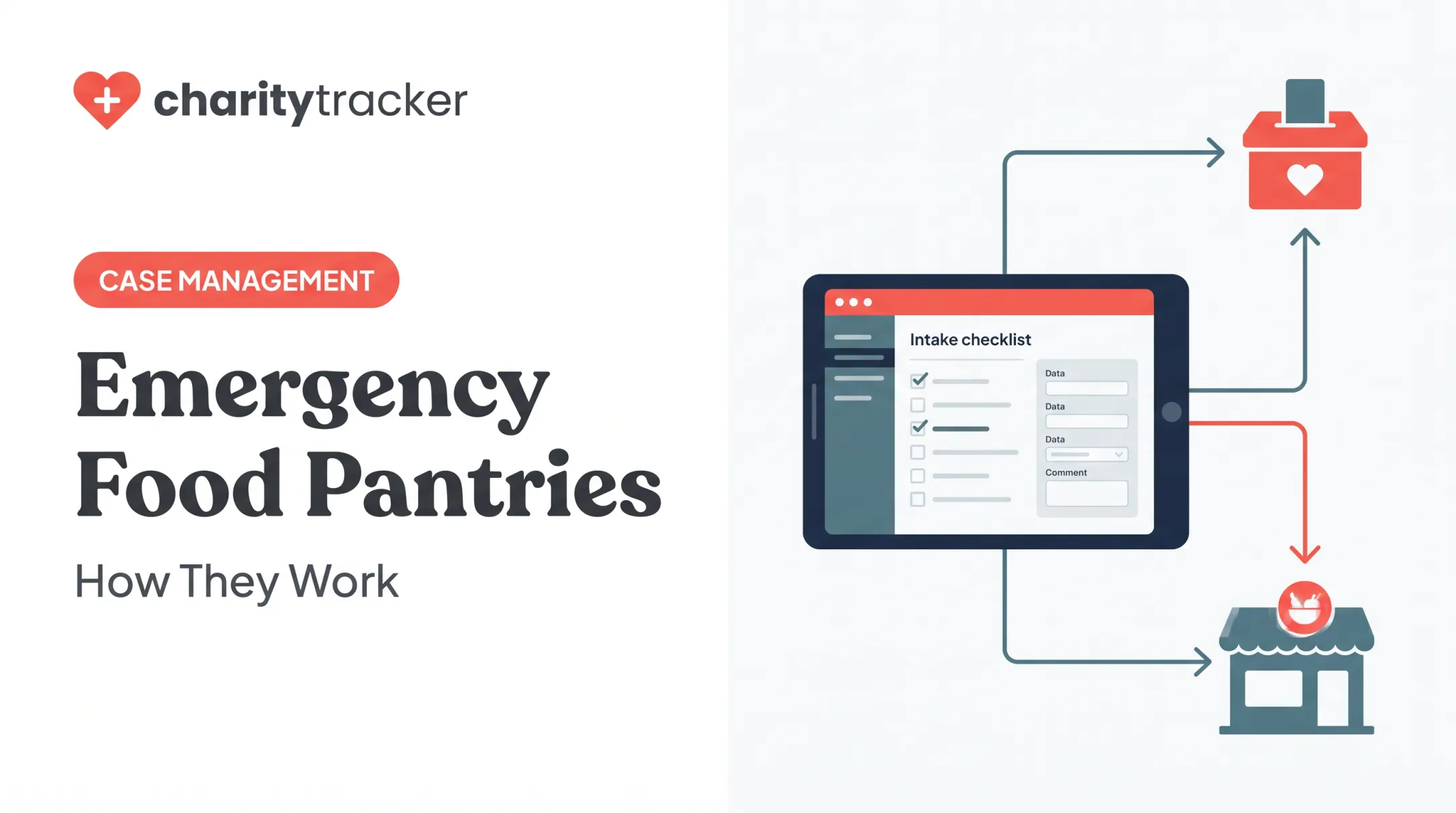
- Submit an intake form
- Complete eligibility screening
- Interview, if required
- Get approval or a referral
- Receive food through pickup, delivery, or benefit issuance
Timelines aren't guaranteed, so ask directly:
- When can I access the food or benefit?
- How often can I return?
- What happens if my case is denied or delayed?
- How do I request an appeal or supervisor review?
USDA notes that SNAP applicants can request a fair hearing by phone, in writing, or in person within 90 days of a denial. That right is worth knowing if something feels wrong with a decision.
Special Access Needs
Barriers like limited internet access, limited English proficiency, disability, caregiving duties, homelessness, or unsafe travel conditions shouldn't block someone from getting help. Ask providers about:
- Phone-based applications
- In-person assistance
- Home delivery or mobile pantries
- Interpreters
- Proxy pickup for someone unable to travel
- Accessible distribution sites
Many local agencies are required to arrange a qualified interpreter or provide a verbal explanation of consent forms for anyone who has trouble understanding written English. Ask about language access when you first make contact.
Help During Disasters and How Organizations Coordinate Services
Emergency Assistance During a Disaster
Hurricanes, wildfires, floods, and other disasters can trigger temporary food distributions, shelters, and disaster-relief nonprofits. In some cases, they activate D-SNAP, a disaster version of SNAP.
D-SNAP isn't automatic. USDA requires a presidential major-disaster declaration with Individual Assistance, plus a state request and USDA approval, before it's authorized. When California activated D-SNAP after the 2025 wildfires, USDA estimated roughly 81,477 households across 28 specific ZIP codes might qualify, with an application window running just nine days.

Because D-SNAP activation depends on state and federal approval, always verify current status through your state SNAP agency or local emergency-management office rather than assuming it's active. Distribution sites and hours can change quickly during a disaster, so confirm current details before traveling anywhere.
Coordinating Services Through Community Organizations
Disaster response works best when nonprofits, food banks, government agencies, healthcare providers, and faith-based groups aren't duplicating each other's work. When agencies share the same client picture, fewer households fall through the cracks or get the same referral twice.
Shared case records make that possible. CharityTracker, built by Simon Solutions, gives partner agencies digital intake, referral coordination, and a centralized client history so each organization can see what help a household has already received.
CharityTracker isn't a food provider or benefits administrator. It's a case management platform used by organizations — including groups like the Salvation Army and community action partnerships — to cut duplicate assistance and speed referrals during emergencies. The platform launched in 2006 in response to the coordination gaps exposed during Hurricane Katrina relief.
What to Ask When Receiving Help After a Crisis
Before leaving a distribution site or intake appointment, ask:
- Is this help one-time or recurring?
- Where can I find future distributions?
- How do I replace lost documents or benefits?
- Which agency handles longer-term housing, healthcare, or income support?
Leave with a named next step and a direct handoff to the agency that handles longer-term needs — not only a phone number.
Frequently Asked Questions
How can I get emergency food assistance if I have no money?
Call 211 or your nearest food bank, pantry, or community meal site right away. Most offer same-day help without requiring payment. Local shelters and human-services offices can also point you to the nearest open location.
What is the fastest way to get emergency funds for food?
Local vouchers or food pantries typically move faster than SNAP, even with expedited processing. Contact your state benefits agency about expedited SNAP, and reach out to local providers for immediate options.
How can I get emergency food assistance during a crisis or emergency?
Check with local emergency-management agencies, disaster-relief organizations, and shelters for active feeding sites. Ask your state SNAP agency whether D-SNAP has been activated for your area, and follow official announcements only.
Who provides emergency food vouchers and how do I get one?
Local nonprofits, churches, and social-service agencies issue vouchers when funding allows, not a single national program. Ask about eligibility, spending limits, expiration dates, and required documents before you rely on one.
How does the emergency food assistance program work?
"Emergency food assistance" covers separate distributions and benefits run by different organizations. Same-day food usually comes from local pantries, while longer-term support comes through SNAP, WIC, or similar government benefits.